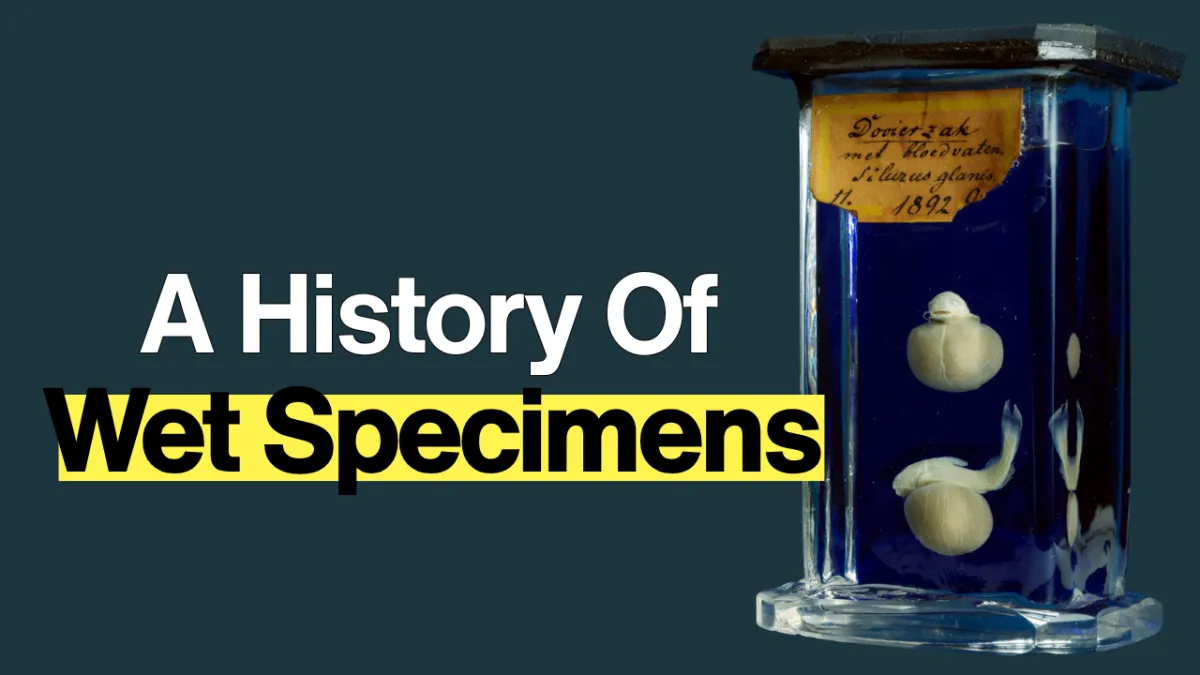
A History of Wet Specimens: The Fascinating Story Behind Preserved Biological Specimens
Things in Jars: A History of Wet Specimens (And the Obsessives Who Made Them)
From ancient embalmers to Victorian anatomists to your favorite oddities shop — people have always had a thing about keeping things in fluid. Here's why.
Let's be honest. You've stopped in front of a specimen jar before.
Maybe it was at a natural history museum. Possibly the Human Bodies exhibit at Bally's in Vegas. Maybe it was in someone's carefully curated home or even just stumbling upon this website. Something about the thing-that-once-moved-but-now-doesn't made you stop and stare.
You're not alone. You're also not weird. Humans have been doing this for literally thousands of years. The method, the stigma and the presentation has just evolved.
First: What the Hell Is a Wet Specimen?
A wet specimen is a biological specimen — animal, plant, organ, embryo, or any other biological material — preserved in liquid rather than dried, stuffed, or otherwise desiccated. The fluid slows decomposition and keeps the soft tissue, three-dimensional structure, and internal contents intact.
That last part is the key. Skeletons give you bones. Taxidermy gives you the outside. But if you want muscles, organs, gut contents, developmental stages, or a complete record of what something actually looked like on the inside? Fluid preservation is how you do it.
Which makes a wet specimen less of a curiosity and more of a time capsule. A very wet, slightly unsettling time capsule.
Humans Have Always Hated Decay (A Brief History of Denial)
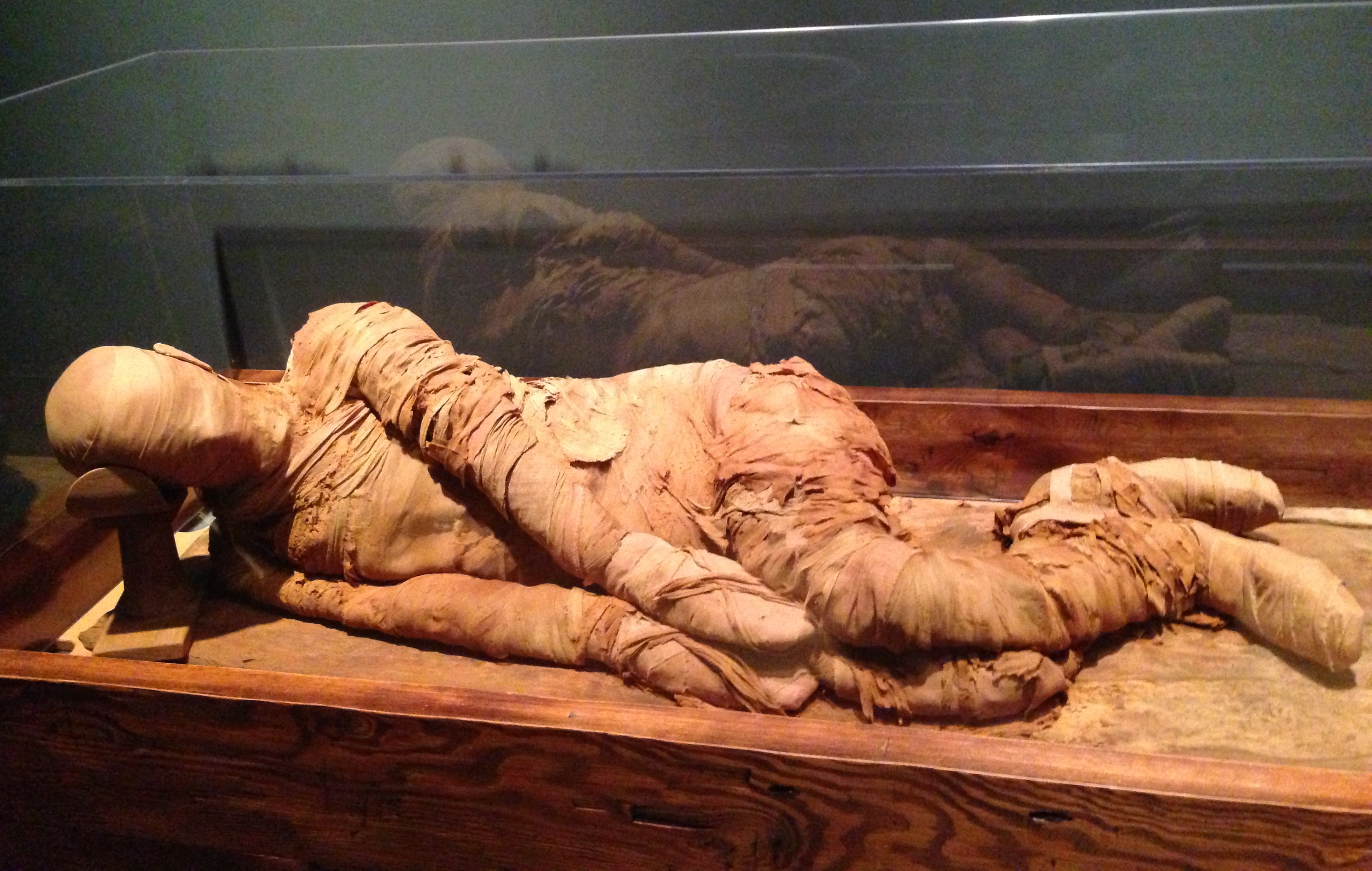
Ancient Egyptians were arguably the first people to get serious about preservation. Their mummification process involved removing organs, packing the body with natron to dry it out, treating it with oils and resins, and wrapping the whole thing up for the afterlife. This wasn't curiosity. It was conviction, the belief that the body had to survive death for the soul to have somewhere to come back to.
That matters because it reveals something about why humans preserve things at all: it starts with meaning, not method. We kept the dead because the dead mattered. Science figured out how to make preservation work better later, but the raw urge to hold onto what's disappearing? That predates chemistry by millennia.
Naturally preserved bodies — dried by desert conditions, frozen in ice — also gave ancient people evidence that decay wasn't inevitable. Under the right circumstances, it could be slowed. Maybe even stopped. That observation, across many cultures and many centuries, eventually led to the jar on the shelf.
The Renaissance Made Anatomy Cool (And Immediately Ran Into a Problem)
Fast-forward to Renaissance Europe. Physicians and scholars are starting to get really, genuinely interested in how the human body actually works, as opposed to just repeating what ancient Greek texts said about it.
So they started dissecting bodies. Which was great! Very informative! Except bodies rot. Quickly. Dramatically. In ways that do not support careful, extended anatomical study.
This is where preservation shifts from funeral tradition to scientific problem-solving. Anatomists needed more time with their specimens. They needed to observe, compare, sketch, teach, and revisit. Decomposition was working against all of that. So they started experimenting. With alcohol, with embalming fluids, with injected preparations — they were trying to buy enough time to actually learn something.
The wet specimen, in its modern form, grew directly from that pressure. Science needed a way to make the body hold still. The jar was the answer.
Cabinets of Curiosity: When Rich People Had the Best Hobbies
In the 1500s and 1600s, if you had money and taste and wanted people to know it, you built a Wunderkammer. A wonder cabinet. A room (or several) crammed with shells, minerals, taxidermy, anatomical preparations, rare plants, scientific instruments, ancient artifacts, and whatever other strange or extraordinary things you could get your hands on.
These were part collection, part library, part social flex. You invited guests to walk through and be astonished. The message was: I have gathered the world, and it fits in my house.
Preserved specimens were a perfect fit for the Wunderkammer. They were rare, impressive, and slightly transgressive. A coiled snake in a jar. A preserved fetus. A dissected vascular preparation showing vessels no one had ever seen so clearly before. These objects were scientific evidence and dinner party conversation at the same time.
That dual identity, educational and theatrical, informative and deeply weird, never really left the wet specimen. It's still exactly what draws people to them now.
Frederik Ruysch: The Man Who Turned Dead Things Into Art (And Never Told Anyone How)
If there is a patron saint of wet specimens, it is probably Frederik Ruysch.
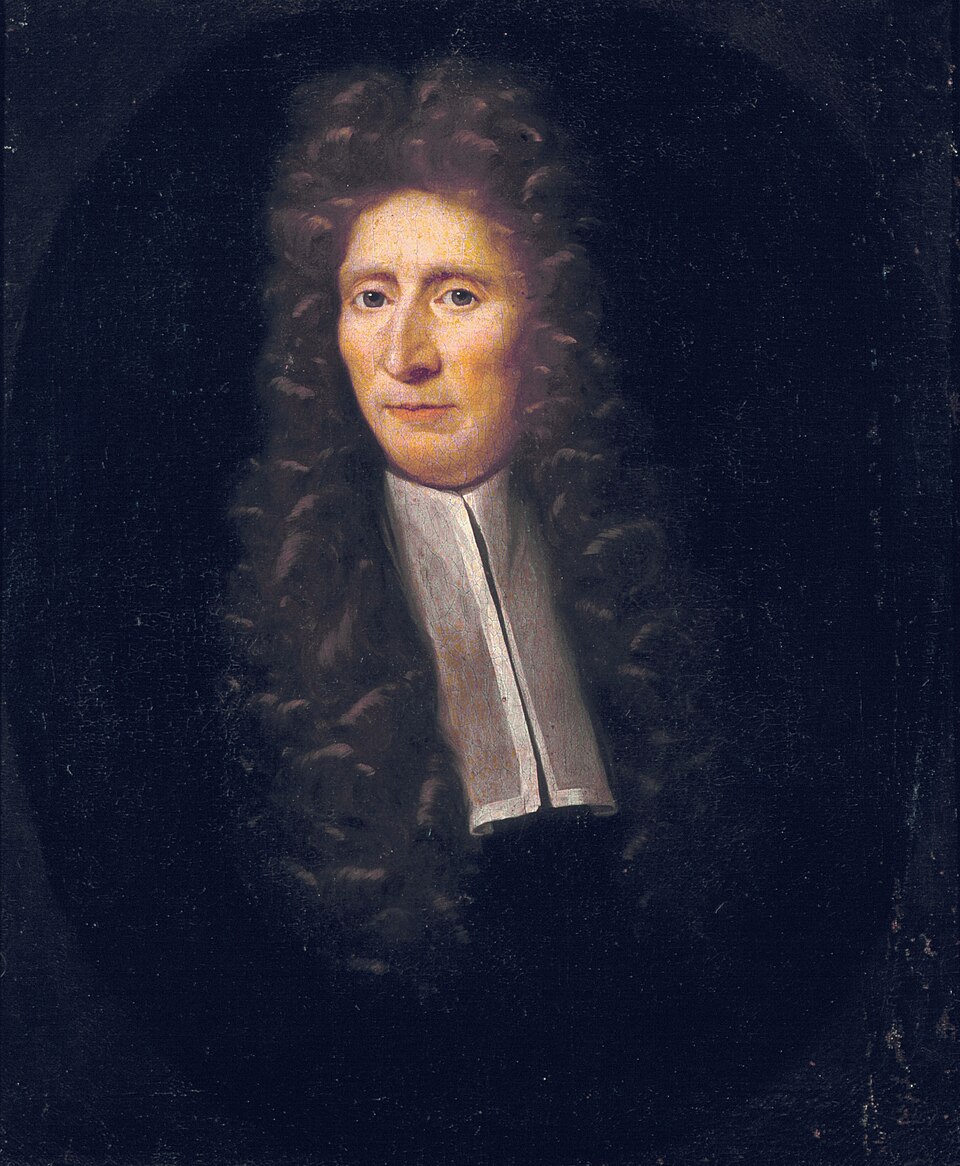
Ruysch was a Dutch anatomist in the late 1600s and early 1700s who became famous for two things: his technically astonishing preserved preparations, and his absolute refusal to tell anyone how he made them. His collection eventually grew to over 2,000 specimens, which he displayed publicly out of his home in Amsterdam. People came from across Europe to see them.
His secret weapon was a meticulous vascular injection technique — he could fill even the tiniest blood vessels with a colored preparation that made anatomy visible in ways no one had achieved before. His specimens didn't just survive. They looked almost alive.
Then there were the displays. Some of Ruysch's specimens were arranged almost like theatrical dioramas — preserved infant remains decorated with lace and botanical elements, arranged into symbolic scenes. By today's standards, these are deeply ethically fraught. Much like the Bodies at Bally's in Vegas. But, at the time, they were seen as meditations on life, death, and divine order.
What Ruysch understood — and what still holds — is that a preserved specimen isn't just storage. It's communication. It says something. He used that to full effect, and the wet specimen has never quite recovered from being both scientific object and visual spectacle. We're still dealing with the legacy.
Alcohol First, Formalin Later: The Chemistry of Keeping Things
Here's a common misconception: that every wet specimen has always been preserved in formaldehyde. Nope.
For a long time, alcohol was the go-to. Museum fluid collections are still sometimes called spirit collections because spirits — as in drinking-strength alcohol — were the original preservative. They worked, but they weren't perfect, especially for preserving fine tissue detail.
Formalin didn't arrive until the 1890s, when a German chemist named Ferdinand Blum noticed it was exceptionally good at stabilizing tissue. This kicked off what's now standard practice: fix the specimen first to stop protein breakdown, then transfer it to a long-term storage solution. Many collections used formalin to fix, then ethanol to store.
So that classic wet specimen jar? Depending on when it was made, it could be sitting in alcohol, formalin, a combination of both, or something proprietary that a 17th-century anatomist took to his grave. The chemistry has layers.
Medical Museums Built Libraries Out of Bodies
By the 18th and 19th centuries, the wet specimen had moved from wealthy collectors' parlors into medical schools and teaching hospitals, where it became infrastructure.
Pathology museums started building collections of preserved organs, tissues, tumors, injuries, and developmental anomalies. Instead of describing a diseased heart to students, you could show them one. Instead of relying on drawings of a rare congenital condition, you could hand someone a jar. These collections became physical libraries of medical knowledge — every specimen was a case study that couldn't be lost to memory or misremembered in transcription.
The same logic applied in natural history. Fish, amphibians, reptiles, and invertebrates are especially well-suited to fluid preservation because so much of what makes them interesting — their soft tissue, coloration, internal anatomy, gut contents — disappears in dry preparation. Museums still hold wet collections because those specimens can answer scientific questions that haven't even been asked yet.
The Part Nobody Talks About Enough
Here's the uncomfortable truth: a lot of historical specimen collections were built through exploitation.
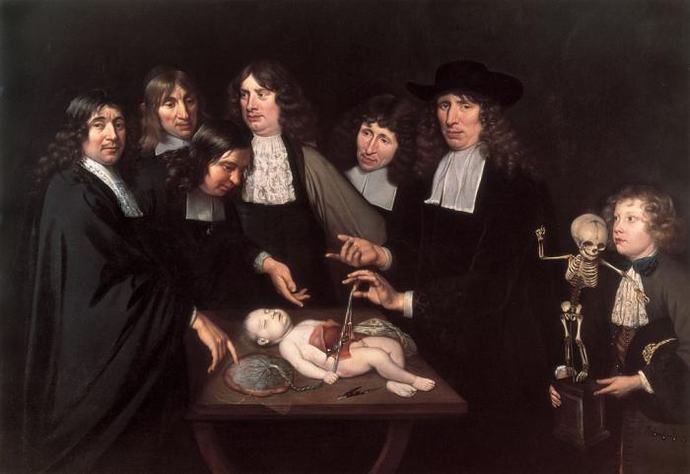
In an era when consent didn't really exist as a legal or ethical standard, human bodies — especially those of the poor, the institutionalized, the colonized, and the imprisoned — were frequently used in teaching and collection-building without anything resembling permission. Many museums that hold historically important collections are now reckoning with how those specimens were acquired, whether human remains should be displayed at all, and what repatriation might look like.
This is part of the history too, and skipping it makes the whole story dishonest.
You can be genuinely fascinated by preservation history — and we clearly are — while also holding space for the fact that some of it was built on systems we'd rightly reject today. The two things coexist. A mature engagement with this world requires acknowledging both.
Preservation Is Not a One-Time Event (It Never Was)
People often assume that once something goes into a jar, it's done. Preserved. Finished. Safe forever.
It is absolutely not.
Modern specimen conservation is ongoing, labor-intensive work. Fluids evaporate. Seals fail. Concentrations change. Labels fade. Temperature swings stress glass and degrade preservatives. Collections staff check jars regularly for every possible form of deterioration. A specimen that has survived 200 years has done so because someone — usually many someones across many decades — kept watching it and maintaining it.
There's something oddly poetic about that. We preserve things because they matter. Then we keep preserving them because mattering turns out to require continuous effort. The jar is never really finished.
So Why Can't We Look Away?
Because a wet specimen is never just the thing in the jar.
It's the worldview of the person who collected it. The techniques of the era it was preserved in. The questions someone thought were worth asking. The systems — sometimes ethical, sometimes not — that made the collection possible. The ongoing care of every person who decided it was still worth keeping.
Wet specimens sit at the intersection of science, art, mortality, and obsession. They are intimate in a way other preserved objects rarely are. They show you the inside of things. They ask you to look at what usually gets hidden.
And they have been doing that — stopping people in their tracks, making them uncomfortable and fascinated in equal measure — for centuries.
